


The Role of Virtual Reality in Modern Design Processes
- sagar2309
- May 19, 2025
- 4 min read

Virtual reality (VR) has emerged as a transformative technology across various industries, offering extraordinary tools to enhance creativity and efficiency in design processes. Designers are now embracing virtual environments that allow them to build, explore, and interact with their creations in ways that were previously unimaginable. The impact of VR is especially profound in fields like architecture, product design, and interior design, where visualization is key to effective communication and client satisfaction.
Understanding Virtual Reality in Design
At its core, virtual reality is a simulated experience that can be similar to or completely different from the real world. By immersing users in a digital environment, VR allows designers to conceptualize ideas that extend beyond traditional two-dimensional representations. According to a study by the Global Virtual Reality Market, the VR market is projected to reach $57.55 billion by 2027, with substantial investments from various sectors, including design.
Designers benefit immensely from this technology as it enables them to test and iterate their ideas in a three-dimensional space. Utilizing VR can lead to a more engaging presentation of designs, as stakeholders can experience projects firsthand. This interactive nature helps eliminate misunderstandings and provides immediate feedback that can steer the design process towards successful outcomes.

Enhancing Collaboration through Virtual Reality
One of the most significant advantages of using virtual reality in design is enhanced collaboration. In a globalized world, designers often work with teams spread across different locations. VR bridges this gap, allowing for real-time collaboration among team members, regardless of where they are situated.
Imagine a scenario where architects and clients meet in a shared virtual environment to discuss a new building. Instead of reviewing static drawings, they can walk through an immersive 3D model of the design. This shared experience fosters better communication, as both parties can visualize challenges, discuss modifications, and make instantaneous decisions. Companies that have integrated virtual reality into their design processes report improved project delivery times and heightened client satisfaction.
How is Virtual Reality Used in Architecture?
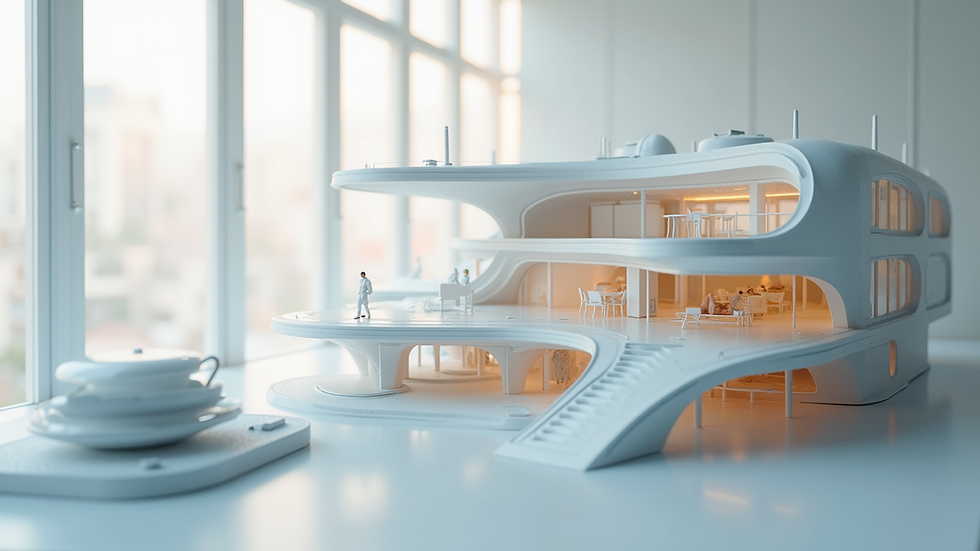
In architecture, virtual reality is revolutionizing the way designs are conceptualized and presented. Traditionally, architects relied on sketches and models to convey their ideas, but VR tools provide a more accurate representation of the final product. With VR, architects can create full-scale 3D models that clients can explore from inside out.
For example, a firm may create a virtual walk-through of a building to help clients and stakeholders understand how the spaces will flow. Simulations can showcase various elements like light, material texture, and contextual relationships with the surrounding environment. Not only does this improve the client experience, but it also helps architects identify potential design flaws early in the process.
Additionally, the integration of VR technology allows architects to conduct virtual site visits, providing insight into the project's surroundings without physically being there. This capability can save time and resources and ensure that the design is contextually relevant.

Improving Product Design with Virtual Reality
Apart from architecture, the influence of virtual reality extends into product design. Designers can develop and visualize their products before any physical prototypes are created. This process enhances innovation, as teams can experiment with a range of designs and features without the constraints of traditional methods.
For instance, a company developing a new consumer electronic device can create a virtual model that consumers can interact with. Feedback gained from these interactions can provide the necessary insights to refine the product before it hits the production line. Consequently, potential design flaws can be addressed at an early stage, reducing production costs and time-to-market.
Moreover, virtual reality facilitates user testing in a controlled environment. Designers can observe how users engage with their creations in real-time, allowing for adjustments to improve usability and aesthetics. Companies leveraging VR in product design are witnessing increased agility and creativity, leading to better product outcomes.
The Future of Virtual Reality in Design
As technology continues to evolve, the future of virtual reality in design looks promising. Companies are exploring the use of augmented reality (AR) alongside VR to create mixed-reality environments that blend the digital and real-world spaces. This hybrid approach can enhance how designs are presented and interacted with, providing even richer experiences for clients and design teams.
Furthermore, as VR becomes more accessible and affordable, more designers across various fields will adopt the technology. The potential to create compelling narratives around designs and explore them in more immersive ways will unlock new levels of creativity and engagement.
In conclusion, the application of virtual reality in design processes is an exciting frontier that promises to reshape how we conceptualize, develop, and interact with creative work. As this technology continues to mature, it is crucial for designers to embrace virtual reality tools, positioning themselves at the forefront of innovation in their respective fields.
For designers and architects looking to explore the capabilities of virtual reality in design, you can learn more about its potential here. With VR poised to be an integral part of the design landscape, now is the time to explore its possibilities and redefine the approach to design.


Comments